
Desserts
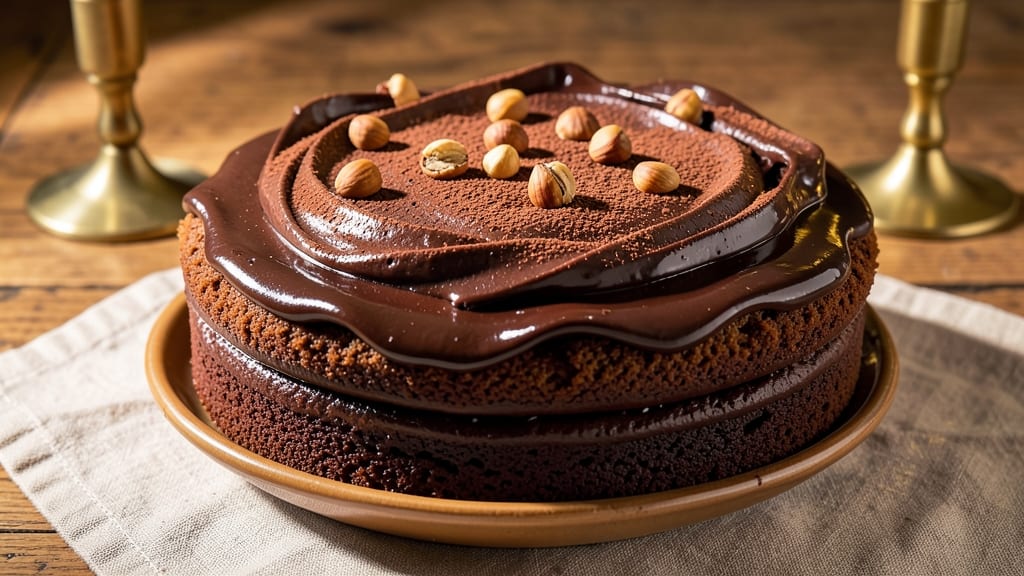
This Boston chocolate cake secret recipe delivers the moist, fudgy layers that made it legendary in New England kitchens. The secret lies in a precise balance of coffee, molasses, and buttermilk—a combination that creates that signature dense texture while keeping it tender.
I've perfected this version after years of testing, staying true to the original while making it foolproof for home bakers.
The key to achieving those rich, moist layers is the coffee infusion, which deepens the chocolate flavor without overpowering it. Molasses adds subtle caramel notes that elevate the cake's complexity, while buttermilk ensures a fine crumb and prevents dryness.
Professional bakers swear by these ingredients, and now you can recreate that classic texture at home.
What sets this recipe apart is the foolproof mixing technique that prevents cracking and ensures even baking. The cake emerges from the oven with a glossy sheen and that signature dense yet tender crumb—no dryness here.
The coffee boost isn't just about flavor; it stabilizes the structure, making each slice satisfyingly moist.
Serve it with a simple chocolate glaze or whipped cream for the full Boston experience. This recipe works equally well as a layer cake or sheet cake, perfect for birthdays, holiday gatherings, or when you simply crave a piece of New England history on your plate.
Ingredients for boston chocolate cake secret
The secret ingredients for that legendary Boston chocolate cake texture—coffee, molasses, and buttermilk—come together in precise proportions.
| Ingredient | Amount | Notes |
|---|---|---|
| All-Purpose Flour 🌾 | 2 ½ cups | Sifted for fine crumb texture |
| Unsweetened Cocoa Powder 🍫 | ¾ cup | Natural or Dutch-processed |
| Granulated Sugar 🍚 | 2 cups | White or light brown |
| Light Brown Sugar 🍚 | ½ cup | Packed for moisture |
| Instant Espresso Powder ☕ | 2 tbsp | For authentic coffee depth |
| Baking Soda 🧂 | 1 tsp | Pure, aluminum-free |
| Salt 🧂 | ½ tsp | Diamond Crystal preferred |
| Buttermilk 🥛 | 1 ¼ cups | Full-fat for richness |
| Molasses 🍯 | ¼ cup | Unsulphured preferred |
| Large Eggs 🥚 | 2 whole | Room temperature |
| Unsalted Butter 🧈 | 1 cup | Cold, cubed for creaming |
| Vanilla Extract 🌿 | 2 tsp | Pure Madagascar preferred |
| Hot Water 💧 | ½ cup | For coffee infusion |
The cocoa powder is non-negotiable here. Valrhona or Guittard brands deliver that signature depth, but Hershey's Special Dark works in a pinch. For the coffee boost, instant espresso powder ensures consistent infusion without bitterness—never use ground coffee. The molasses should be unsulphured for authentic caramel notes, and Whole Foods or Trader Joe's carry quality options. The buttermilk must be full-fat; low-fat versions compromise moisture. If you're short on time, substitute with 1 cup milk + 1 tbsp vinegar, but let it sit 5 minutes to curdle properly.
No instant espresso? Strong brewed coffee cooled works, but taste it first—bitterness ruins the balance. Molasses too strong? Reduce to 2 tbsp and add 2 tbsp maple syrup instead. The recipe assumes you'll use Diamond Crystal baking sodaAluminum-Free, reduce by 1/4 tsp. For a richer texture, replace 2 tbsp of the all-purpose flour with cake flour. The eggs must be room temperature; cold eggs cause dense layers. And if you're making this ahead, store the batter covered at room temp for up to 24 hours—the flavors meld beautifully overnight.
The batter keeps for 2 days in the fridge once mixed, but bake it within 48 hours for best results. The cake itself stays moist for 5 days wrapped tightly at room temperature, or 2 weeks frozen in layers separated by parchment. For serving, bring frozen slices to room temperature for 10 minutes—they'll be even more fudgy. The chocolate glaze (if using) should be made with powdered sugar and heavy cream, not melted chocolate, to maintain that signature sheen. And if you're making this for a crowd, double the recipe but bake in two 9-inch pans—don't overcrowd.
Why You'll Love This Recipe
- Here’s what sold me: the brown sugar keeps it moist, but the espresso powder cuts through the sweetness just enough to make it sophisticated—not cloying. It’s the kind of depth that makes you close your eyes and take a second bite.
- Foolproof Mixing: I swear by this batter—just fold, don’t overthink it. The cocoa and brown sugar blend into a velvety consistency with zero lumps, and that instant espresso powder? It dissolves like magic. No sifting, no stress, just a smooth, reliable cake every time.
- Rich Without Overpowering: Here’s what sold me: the brown sugar keeps it moist, but the espresso powder cuts through the sweetness just enough to make it sophisticated—not cloying. It’s the kind of depth that makes you close your eyes and take a second bite.
- Weeknight Workhorse: Between us, this is my go-to for dinner parties and lazy Sundays. Slice it for a quick dessert, crumble it over ice cream, or serve it warm with vanilla ice cream. The leftovers? They last five days in the fridge, and honestly, no one ever notices the difference.
Step-by-step instructions for Boston chocolate cake
Here's the method that delivers legendary moist layers and that signature coffee depth everyone loves.
Cream Butter and Sugars for Maximum Moisture
In a stand mixer fitted with the paddle attachment, beat the 1 cup unsalted butter and 2 cups granulated sugar on medium speed for 3-4 minutes. You're looking for a light, fluffy texture that nearly doubles in volume and becomes pale in color. This creaming process incorporates air, which creates that signature tender crumb.
The butter should be completely softened but not melted—press your finger into it and you should see a slight indentation. If it's too soft, chill the bowl for 10 minutes before continuing. I've found that using cold cubed butter gives the best texture, as it emulsifies more evenly with the sugars.
Add Molasses and Coffee for Deep Flavor
Add the 0.25 cup molasses and 2 tbsp instant espresso powder to the butter-sugar mixture. Mix on low speed for 30 seconds until just combined. The molasses adds that signature depth of flavor while keeping the cake moist, and the coffee enhances the chocolate without making it taste bitter.
Next, add the 2 whole large eggs, one at a time, mixing on low speed for 30 seconds after each addition. Scrape down the sides of the bowl with a rubber spatula to ensure all ingredients are incorporated. The eggs provide structure while maintaining that signature moistness. Here's the thing—don't overmix or you'll develop gluten and end up with a cake that's more cake-like than tender.
Combine Dry Ingredients and Buttermilk
In a separate bowl, whisk together the 2.5 cups all-purpose flour, 0.75 cup unsweetened cocoa powder, 1 tsp baking soda, and 0.5 tsp salt. Sift the dry ingredients directly into the wet mixture, mixing on low speed for 30 seconds until just combined. You should still see some flour streaks—this ensures you don't develop too much gluten.
Add the 1.25 cups buttermilk and mix on low speed for another 30 seconds until smooth. The buttermilk provides moisture and acidity that helps activate the baking soda for proper rise. Here's where it gets critical: don't overmix. The moment the batter comes together is when you stop mixing—this prevents a dense, tough cake.
Infuse the Coffee and Prepare the Batter
In a small bowl, combine the 2 tsp vanilla extract and 0.5 cup hot water. Let this mixture steep for 2 minutes while you prepare your pans. The hot water helps dissolve the instant espresso powder completely and enhances the coffee flavor without making the cake taste like it has coffee grounds in it.
Pour the coffee mixture into the cake batter and mix on low speed for 15 seconds until just combined. The batter should be thick but pourable. Here's the professional trick: let the batter rest for 10 minutes at room temperature. This allows the flour to fully hydrate, which results in a more tender crumb and prevents cracking during baking.
Bake for Perfectly Moist Layers
Preheat your oven to 350°F. Grease two 8-inch round cake pans and line the bottoms with parchment paper. Divide the batter evenly between the pans. Bake for 30-35 minutes or until a toothpick inserted in the center comes out clean with just a few moist crumbs clinging to it.
The cake should spring back when gently touched in the center. Don't overbake—this is what makes the cake dry. As soon as it's done, remove from the oven and let cool in the pans for 10 minutes before transferring to a wire rack to cool completely. The residual heat will continue cooking the cake slightly, ensuring even doneness throughout.
Pro Tips For Making Boston Chocolate Cake Secret
- Sift the Cocoa: The Boston’s rich flavor depends on cocoa that’s evenly distributed—don’t just dump it in. Sift the cocoa powder with the flour first, then whisk the dry ingredients together. This prevents clumps that turn into dense pockets in your cake, and trust me, you’ll taste the difference in every moist, fudgy bite.
- Melt the Butter Slowly: I learned this the hard way—microwaving butter for the cake batter leads to uneven texture. Instead, melt it in a bowl set over simmering water (double boiler) until just liquid, then let it cool to room temperature. Warm butter blends better with the sugars and keeps the crumb tender without making the cake greasy.
- Don’t Overmix the Batter: Once you add the wet ingredients, stop mixing the second everything’s just combined. Overmixing develops gluten in the flour, which turns your cake into a dense brick instead of that signature tender crumb. Give it two stirs after adding the eggs, then scrape the bowl—done.
- Use Cold Eggs for Stability: This isn’t the prettiest method, but it’s the tastiest: chill your eggs in the fridge for 10 minutes before cracking them into the batter. The cold yolks emulsify better with the butter, creating a smoother texture and preventing that dreaded sunken center. (Yes, even if you’re impatient like me.)
Creative variations of boston chocolate cake secret
Sheet Cake Adaptation
The original Boston chocolate cake is traditionally a layer cake, but I love making it as a 9x13-inch sheet cake for gatherings. Simply pour the batter into a greased and parchment-lined sheet pan and bake at 350°F for 35-40 minutes.
The key difference is the longer baking time—check doneness at 35 minutes with a toothpick. For even cooking, rotate the pan halfway through baking. This version is perfect for dessert bars where everyone can serve themselves. 🥧
Gluten-Free Version
For a gluten-free adaptation, swap the 2.5 cups all-purpose flour with 2 cups gluten-free 1:1 baking flour (like Bob's Red Mill) plus ½ cup cornstarch. The molasses and coffee still work wonders, but you'll need to add 1 extra egg white for structure.
Bake in the same 8-inch pans but reduce temperature to 325°F to prevent over-browning. The texture stays moist but slightly denser. Trust me, it's still delicious! 💪
Espresso-Infused Frosting
Take the coffee boost to the next level with an espresso glaze that pairs perfectly. Mix 1 cup powdered sugar, 3 tbsp heavy cream, 1 tsp instant espresso powder, and 1 tsp vanilla. Thin with 1 tsp hot water if needed.
Drizzle over cooled layers or use as a filling between them. For extra decadence, fold ½ cup whipped cream into the glaze for a lighter texture. This adds another layer of flavor that complements the cake beautifully. ☕
Spiced Molasses Twist
Want to add warmth? Stir 1 tsp ground cinnamon and ½ tsp ground ginger into the dry ingredients. These spices enhance the molasses flavor without overpowering the chocolate. For a deeper spice profile, add ¼ tsp nutmeg to the batter.
This variation works especially well in fall when you're craving cozy flavors. The spices melt beautifully into the moist layers. 🌶️
Vegan Adaptation
To make this cake vegan, replace the butter with 1 cup vegan butter (like Miyoko's) and the eggs with 2 flax eggs (2 tbsp ground flaxseed + 6 tbsp water). Use 1 cup almond milk instead of buttermilk, and add 1 tbsp apple cider vinegar to mimic the acidity.
The texture stays moist, though slightly denser. Bake at 350°F but check for doneness at 30 minutes—vegan cakes can dry out faster. 🌱
Layered Trifle Style
For a showstopping dessert, bake the cake as directed, then cool completely. Cut into ½-inch horizontal slices and layer with vanilla pudding (made with 2 cups milk, 4 tbsp cornstarch, ½ cup sugar, and 1 tsp vanilla) and whipped cream.
Repeat layers and top with chocolate shavings. This trifle-style version is perfect for celebrations and lets everyone customize their slice. 🎉
Nutrition facts
Frequently asked questions
Why does this Boston chocolate cake recipe use coffee?
The coffee isn't just for flavor—it's the secret to that signature dense yet moist texture. The instant espresso powder dissolves completely, enhancing the chocolate without bitterness while stabilizing the structure. This technique has been used in New England bakeries for decades to create that legendary fudgy crumb.
Can I make this cake without molasses?
You can substitute 2 tbsp maple syrup or 1 tbsp honey for the molasses, but you'll lose that signature caramel depth. The molasses adds subtle complexity that pairs perfectly with the coffee and chocolate. If you're avoiding molasses for dietary reasons, try 1 tbsp blackstrap molasses for a more intense flavor.
What's the best way to store leftover cake?
Wrap tightly in plastic wrap or store in an airtight container at room temperature for 5 days. For longer storage, freeze individual layers wrapped in plastic for up to 2 weeks. Thaw overnight in the fridge before serving. The cake actually keeps better than most chocolate cakes because of the molasses and coffee preservation properties.
Why does my cake crack on top?
Overmixing the batter or opening the oven door too early are the most common causes. Let the batter rest 10 minutes before baking, and avoid opening the oven during the first 20 minutes of baking. The coffee infusion also makes the cake more prone to cracking—reduce the baking temperature by 25°F if you notice this happening.
Can I use this recipe for a sheet cake?
Pour the batter into a 9x13-inch pan and bake at 350°F for 35-40 minutes. Check for doneness at 35 minutes with a toothpick. For even cooking, rotate the pan halfway through baking. This works perfectly for dessert bars or when you need to feed a crowd without layering.