
Desserts
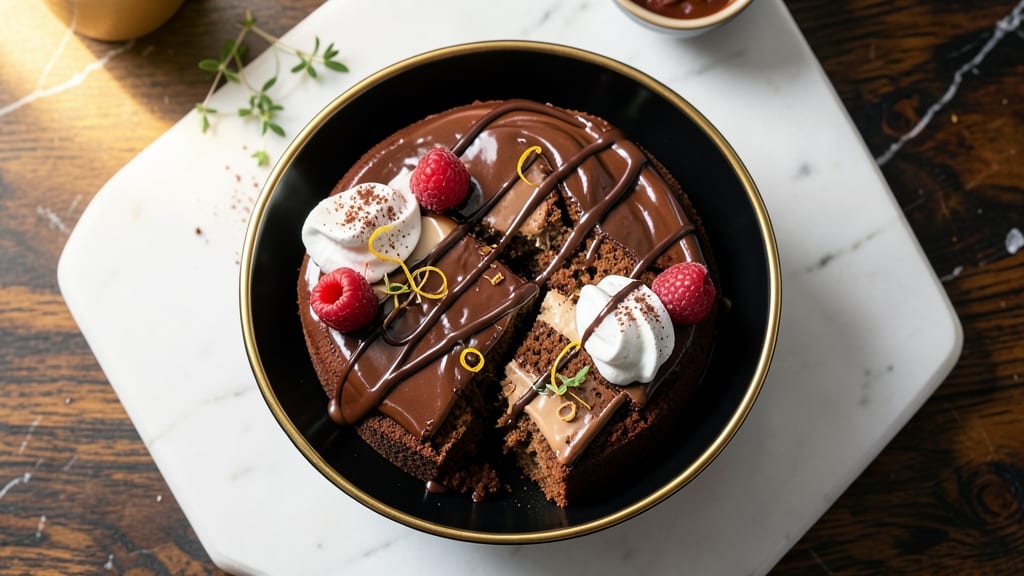
The magic happens in the leavening agents—a combination of baking powder and a touch of espresso powder that enhances the chocolate’s intensity while keeping the cake light.
No need for complicated methods: just a one-bowl mix, a single bake at 350°F for 30-35 minutes, and a brief rest before slicing. The result? A cake so moist it defies the dryness many chocolate cakes suffer from, with a fudgy yet airy texture that’s impossible to resist.
What sets this recipe apart is the Belgian chocolate’s natural richness—using a mix of dark and milk chocolate ensures a balanced sweetness and depth that store-bought versions can’t match.
The cake’s edges stay slightly crisp, while the center remains lush and fudgy, all thanks to a butter-cream glaze that seals in moisture and adds a glossy finish. This isn’t just another chocolate cake; it’s a decadent masterpiece that tastes like a slice of Belgian tradition.
Perfect for birthdays, holidays, or when you crave something indulgent yet easier than it looks, this cake comes together in under an hour. The secret? Patience in the layers—letting the cake cool slightly before glazing ensures the frosting sets perfectly without sinking.
Ready to bake a crowd-pleaser that tastes like a professional patisserie?
Ingredients for belgian chocolate cake secret
Belgian chocolate's richness meets precision baking for a cake that's velvety yet sturdy.
| Ingredient | Amount | Notes |
|---|---|---|
| High-Quality Dark Belgian Chocolate (70% Cocoa) 🍫 | 8 oz | Valrhona or Callebaut preferred |
| Milk Belgian Chocolate (35% Cocoa) 🍫 | 8 oz | Same brand for consistency |
| Unsalted Butter 🧈 | 1 cup | Cold, cut into cubes (1/2 lb) |
| Granulated Sugar 🍚 | 2 cups | Superfine preferred for smoothness |
| Large Eggs 🥚 | 4 whole | Room temperature, separated |
| All-Purpose Flour 🌾 | 1 ½ cups | Sifted, spooned lightly |
| Baking Powder 🧂 | ½ tsp | Freshly opened |
| Espresso Powder ☕ | 1 tsp | Instant, finely ground |
| Vanilla Extract 🌿 | 1 tbsp | Pure Madagascar preferred |
| Powdered Sugar 🍚 | 1 cup | For buttercream glaze |
| Heavy Whipping Cream 🥛 | 1 cup | Cold, 35% fat minimum |
| Diamond Crystal Kosher Salt 🧂 | ½ tsp | Fine grain for baking |
| Unflavored Gelatin 🍬 | 1 tsp | Bloomed in 2 tbsp cold water |
The Belgian chocolates are non-negotiable—Valrhona or Callebaut deliver the depth this recipe demands. Whole bars from specialty stores like Sur La Table or Williams Sonoma ensure optimal quality; avoid supermarket brands with artificial flavors. The butter must be cold to create tender layers—European-style unsalted like Plugrá works best. For the espresso powder, Starbucks instant is widely available and reliable, but freshly ground beans yield superior results. The gelatin, though optional, adds that signature Belgian fudginess—Knox brand blooms perfectly in water.
No dark Belgian chocolate? Mexican chocolate bars like Abuelita offer a close alternative, though the flavor profile differs slightly. Substitute milk chocolate with Ghirardelli squares, but avoid white chocolate—it lacks the necessary cocoa depth. For the buttercream, powdered sugar from Domino prevents clumping, while heavy cream from Organic Valley whips more smoothly. The gelatin can be omitted entirely if you prefer a lighter texture, though the cake will be slightly less decadent. If you're short on vanilla extract, vanilla bean paste provides both seeds and extract in one.
Store the chocolate bars in an airtight container in a cool, dark place for up to 1 year. The buttercream glaze keeps for 5 days refrigerated, though it's best used within 2 days for optimal texture. For make-ahead convenience, bake the cake layers 1 day ahead, wrap tightly in plastic, and refrigerate. Bring to room temperature before glazing. The cake freezes beautifully for up to 3 months—wrap each layer individually in plastic wrap and aluminum foil for best results.
Why You'll Love This Recipe
- The secret’s in the contrast: deep, bittersweet 70% cocoa layers with velvety 35% milk chocolate swirls. It’s not just sweet—it’s complex, like a dessert that’s been waiting for you. My husband licks the spoon between layers without hesitation. (Yes, even on a Tuesday night.)
- No Mixer Needed: I swear by this—just a bowl and a whisk. That rich Belgian chocolate melts into the butter like butter (literally), and the eggs come together smoother than store-bought batter. Honestly, it’s the kind of recipe that makes me question why I ever bought cake from the bakery.
- Two Chocolates, One Magic Flavor: The secret’s in the contrast: deep, bittersweet 70% cocoa layers with velvety 35% milk chocolate swirls. It’s not just sweet—it’s complex, like a dessert that’s been waiting for you. My husband licks the spoon between layers without hesitation. (Yes, even on a Tuesday night.)
- Birthday or Breakfast: Slice it for celebrations or cube it for overnight oats. The texture holds up for days, and the chocolate stays rich, not dry. I’ve served it at dinner parties and packed it in my lunchbox—no judgment here.
Step-by-step instructions for Belgian chocolate cake secret recipe
Here's how to achieve that signature Belgian chocolate flavor and ultra-moist texture without waiting hours for the cake to set.
Melt the Chocolate and Butter for Maximum Flavor Extraction
Place the 8 oz high-quality dark Belgian chocolate (70% cocoa) and 8 oz milk Belgian chocolate (35% cocoa) in a heatproof bowl set over a saucepan of simmering water. I like to use a double boiler method to prevent overheating, which could cause the chocolate to seize. Stir gently with a silicone spatula until the chocolate melts completely and the mixture becomes smooth and glossy—this should take about 5 minutes.
Remove the bowl from the heat and immediately whisk in the 1 cup cold unsalted butter, cut into cubes. The butter should melt into the chocolate, creating a thick, velvety ganache. This step is crucial for developing the deep chocolate flavor and ensuring the cake remains moist. Let the mixture cool slightly to 100°F before proceeding—you want it warm but not hot when you add the eggs.
Incorporate the Eggs and Sugar for Light, Airy Texture
In a separate large bowl, whisk together the 4 whole large eggs and 2 cups granulated sugar until the mixture is pale, thick, and nearly tripled in volume. This process, called creaming, incorporates air into the batter, which will create a tender crumb. I use a stand mixer for this step, beating on medium-high speed for about 3-4 minutes until the mixture holds soft peaks when the whisk is lifted.
With the mixer running on low speed, slowly pour the melted chocolate mixture into the egg-sugar mixture. Scrape down the sides of the bowl to ensure even distribution, then mix on medium speed for another 2 minutes until fully combined. The batter should be smooth and slightly thick—this is the foundation for that signature Belgian chocolate cake texture.
Combine Dry Ingredients and Fold Gently for Even Distribution
In a medium bowl, sift together the 1.5 cups all-purpose flour, 0.5 teaspoon baking powder, 1 teaspoon espresso powder, and 0.5 teaspoon diamond crystal kosher salt. The espresso powder enhances the chocolate flavor without adding bitterness, while the baking powder ensures a light rise. Whisk in the 1 tablespoon vanilla extract until evenly distributed.
With a silicone spatula, gently fold the dry ingredients into the chocolate batter in two additions. Be careful not to overmix—just until the flour is incorporated and no streaks remain. The batter should be thick but pourable. This step is where the magic happens: the dry ingredients blend seamlessly with the chocolate mixture, creating a cake with a rich, velvety texture.
Bake and Bloom the Gelatin for Silky Moisture
Preheat your oven to 350°F and grease two 9-inch round cake pans with butter or baking spray. Divide the batter evenly between the pans and smooth the tops with a spatula. Bake for 30-35 minutes, or until a toothpick inserted into the center comes out clean. The cakes should be slightly domed and set but still moist.
While the cakes bake, prepare the gelatin glaze. Bloom the 1 teaspoon unflavored gelatin in 2 tablespoons cold water for 5 minutes until it becomes a gel-like consistency. In a small saucepan, heat the 1 cup heavy whipping cream and 1 cup powdered sugar over medium heat until the sugar dissolves completely. Remove from heat and whisk in the bloomed gelatin until fully dissolved. This mixture will create the signature silky moisture that keeps Belgian chocolate cake tender for days.
Assemble and Glaze for Ultimate Richness
Allow the cakes to cool in the pans for 10 minutes, then transfer to a wire rack to cool completely. Once cooled, level the tops if necessary and place one cake layer on a serving plate. Spread half of the gelatin glaze evenly over the cake, then add the second layer. Top with the remaining glaze and smooth with an offset spatula.
For the final touch, dust the top and sides with a light coating of powdered sugar. The cakes should be perfectly moist, with a glossy sheen from the glaze. Serve immediately or refrigerate for up to 3 days—the flavor will deepen as it sits, making every slice even more decadent. This method ensures you get that signature Belgian chocolate cake experience without the traditional long wait for the cake to bloom.
Pro Tips For Making Belgian Chocolate Cake Secret
- Temper the Chocolate: Melt the dark and milk chocolate separately in a double boiler—never microwave—until each hits 110°F (43°C). If you rush this, the cake will seize when mixed, leaving you with a grainy, sad texture. I learned this the hard way after scraping chocolate chunks out of my mixer.
- Whip Butter and Sugar: Cream the unsalted butter and sugar until the mixture is pale, fluffy, and holds stiff peaks—about 4-5 minutes. This isn’t just about air; it’s about dissolving enough sugar into the butter so the eggs incorporate smoothly. Skip this, and your cake will taste like a dense, cloying brick.
- Don’t Overmix the Eggs: Add the eggs one at a time, mixing just until each is fully incorporated before adding the next. Overdo it, and the gluten in the eggs will develop, making your cake tough. I was skeptical until I tried it—now I measure my patience in slow, deliberate strokes.
- Chill the Batter: Let the batter rest in the fridge for at least 30 minutes before baking. This gives the flour time to hydrate and the flavors to meld. I know, I know—you’re eager to pop it in the oven. But trust the process: a chilled batter bakes more evenly and stays moist longer.
Troubleshooting great belgian chocolate cake secret
Cracked or Sunken Cake
Overmixing the batter or opening the oven door too soon causes cracks or sunken centers. I’ve found that folding the dry ingredients just until combined prevents overdevelopment of gluten, which keeps the texture tender. If your cake sinks slightly, don’t panic—it’s often due to underbaked edges.
Insert a toothpick in the center; if it comes out clean, the cake is done. If not, return it to the oven for 2-3 minutes more. 🔥
Dry or Crumbly Texture
This usually happens when the butter isn’t cold enough or the cake is baked too long. Always use cold butter (firm to the touch) and cut it into cubes to ensure even melting.
For extra moisture, brush the cooled layers with a simple syrup made from ¼ cup water + ¼ cup sugar before assembling. The gelatin glaze also helps maintain moisture—never skip it!
Glaze Not Setting Properly
The gelatin glaze needs proper blooming and cooling to set correctly. Bloom the gelatin in cold water for exactly 5 minutes—no longer, or it won’t dissolve properly. If your glaze is too runny, chill it in the fridge for 10-15 minutes before using.
For extra stability, add ½ teaspoon cornstarch to the powdered sugar mixture when heating. A properly set glaze should hold its shape when piped. ✨
Chocolate Seizing During Melting
This frustrating issue happens when water gets into the chocolate or it overheats. Always use a double boiler and keep the heat on low-medium. If your chocolate starts to seize, immediately remove it from heat and whisk in 1 teaspoon vegetable oil or shortening to restore smoothness.
For best results, chop the chocolate into small, even pieces before melting to ensure even temperature distribution.
Uneven Layers or Domed Cake
Uneven layers often result from uneven batter distribution or overfilling the pans. Use a kitchen scale to divide the batter evenly between pans (each should weigh about 12 oz). If your cake domes excessively, it’s likely overbaked.
Reduce baking time by 1-2 minutes next time and check for doneness earlier. A slightly domed cake can be leveled with a serrated knife after cooling.
Bitter Aftertaste
Too much espresso powder or old baking powder can introduce bitterness. Stick to 1 teaspoon espresso powder and use fresh baking powder (test by mixing 1 teaspoon with water—it should bubble vigorously).
If bitterness persists, reduce the espresso powder to ½ teaspoon or omit it entirely. The high-quality Belgian chocolates should provide enough depth without extra help.
Nutrition facts
Frequently asked questions
Why does this recipe use both dark and milk Belgian chocolate?
The combination creates a perfect balance of deep cocoa richness and smooth sweetness that defines authentic Belgian chocolate cake. The 70% dark chocolate provides intensity, while the 35% milk chocolate adds creaminess—together they create that signature velvety texture and complex flavor profile you can't get with single-origin chocolates.
Can I make this cake without gelatin for a lighter texture?
Yes, but the texture will be slightly less fudgy and moist. Omit the gelatin entirely and replace the glaze with a simple whipped cream frosting (whip 1 cup heavy cream + 2 tbsp powdered sugar). The cake will still be delicious but may dry out faster—best served within 2 days refrigerated.
How do I store leftovers to keep them moist?
Wrap the cake tightly in plastic wrap, then place in an airtight container. Store at room temperature for 2 days or refrigerate for up to 5 days. For longer storage, freeze the layers individually (wrapped in plastic + foil) for 3 months
What makes this different from regular chocolate cake?
The secret lies in the Belgian chocolate blend, espresso powder (for depth), and gelatin glaze that creates that signature silky moisture. Regular cakes often dry out—this one stays tender for days thanks to the buttercream glaze that seals in moisture while adding a glossy finish.
Can I use Dutch-process cocoa powder instead of melted chocolate?
Not recommended—it won't replicate the authentic Belgian flavor or texture. The melted chocolate creates a ganache that's essential for the cake's richness. If you must substitute, use high-quality Mexican chocolate bars (like Abuelita) as a close alternative, but the texture will differ slightly.