
Desserts
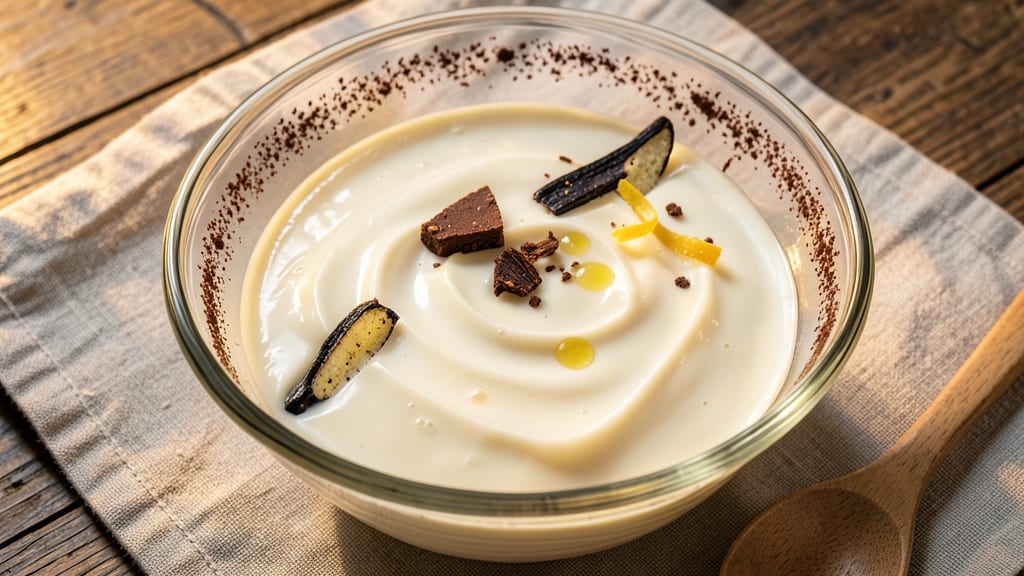
This vegan cacao butter white chocolate recipe delivers restaurant-quality confections without dairy or refined sugar. The secret lies in cacao butter's silky texture and nutty depth, creating a ganache so smooth it rivals traditional white chocolate.
I developed this recipe after years of experimenting with plant-based alternatives—finally achieving a result that melts beautifully and holds its shape perfectly.
The process is surprisingly straightforward: you'll melt cacao butter with coconut oil and vanilla, then blend in powdered coconut sugar for sweetness. Unlike store-bought versions, this recipe uses only four simple ingredients, yet delivers complex flavor with every bite.
The key to success is patience—allowing the mixture to cool gradually ensures that final snap and glossy finish that makes it irresistible.
What you'll end up with is a velvety white chocolate that's perfect for dipping, molding into truffles, or using as a decadent coating. The texture is silky smooth, with just enough body to hold its shape when tempered, while the nutty undertones from cacao butter add sophistication.
This is the kind of white chocolate that will impress even the most discerning dessert lovers.
Best of all, this recipe keeps beautifully in the fridge for up to two weeks, making it ideal for gift-giving or stocking your pantry with homemade treats.
Whether you're creating elegant chocolates or simply enjoying a spoonful straight from the bowl, the results are undeniably luxurious. Let's get started on making this plant-based masterpiece.
Ingredients for cacao butter white chocolate
Four core ingredients craft this luxurious vegan white chocolate with restaurant-quality texture.
| Ingredient | Amount | Notes |
|---|---|---|
| Cacao Butter 🥜 | 1 cup | Raw, unrefined, high-quality preferred |
| Coconut Oil 🫒 | ½ cup | Unrefined, virgin preferred |
| Pure Vanilla Extract 🌿 | 1 tbsp | Bourbon or Madagascar preferred |
| Powdered Coconut Sugar 🍯 | ½ cup | Finely ground for smooth texture |
| Pinch of Salt 🧂 | ⅛ tsp | Fine sea salt preferred |
| Dark Cacao Powder 🍫 | 1 tbsp | For depth of flavor |
| Organic Coconut Milk 🥥 | 2 tbsp | Full-fat for creaminess |
The quality of cacao butter determines the final texture—Navitas Organics or Terrasoul are industry standards for their purity and smoothness. Coconut oil should be unrefined to preserve its delicate flavor profile, and both ingredients should be stored in a cool, dark place to prevent rancidity. For vanilla, Madagascar Bourbon extract adds a floral note that complements the cacao's nutty depth, while powdered coconut sugar ensures a fine, silky finish without graininess. The pinch of salt enhances all flavors, so don't skip it—it's what makes this taste truly luxurious.
No cacao butter? Melted coconut oil with 1 tbsp of cacao powder mimics the texture, though the flavor will be subtly different. Substitute powdered coconut sugar with powdered erythritol or monk fruit sweetener for a zero-sugar option, though the texture may be slightly less smooth. For extra richness, add 1 tbsp of cashew butter to the mixture. If you prefer a stronger chocolate flavor, increase the cacao powder to 2 tbsp, but be prepared for a slightly denser final product. The coconut milk can be swapped for cashew cream if you want a more neutral base flavor.
This white chocolate must be tempered for the perfect snap and gloss—cool the mixture to 78°F before shaping, then warm to 88°F for setting. Store in an airtight container between uses to maintain freshness. When refrigerated, it keeps for 2 weeks, while freezing extends shelf life to 3 months. For gift-giving, portion into small molds or wrap in parchment paper—it makes an elegant, plant-based treat that rivals traditional white chocolate.
Why You'll Love This Recipe
- Here’s what sold me: it’s creamy like store-bought white chocolate, but with none of the dairy or refined sugar. The cacao butter gives it that velvety texture, while the coconut sugar keeps it subtly sweet—no aftertaste, just pure satisfaction.
- No Melting Hassle: I’ve made white chocolate from scratch before—this is not the same frustrating, tempering nightmare. Just melt cacao butter and coconut oil together, stir in the sugar, and you’re done. No fancy equipment, no stress.
- Rich Without Guilt: Here’s what sold me: it’s creamy like store-bought white chocolate, but with none of the dairy or refined sugar. The cacao butter gives it that velvety texture, while the coconut sugar keeps it subtly sweet—no aftertaste, just pure satisfaction.
- Endless Uses: Between us, I’ve dipped strawberries, melted it over coffee, and even used it to make homemade truffles. It’s my go-to for gift boxes, last-minute dessert fixes, or when I just want a little luxury without the effort.
Step-by-step instructions for silky smooth cacao butter white chocolate
Master this technique and you'll create a velvety ganache with rich nutty depth and perfect snap.
Melt the Cacao Butter and Coconut Oil Together
Place the 1 cup cacao butter and ½ cup coconut oil in a heatproof bowl set over a saucepan of simmering water. This double boiler method ensures gentle, even melting without scorching. Stir occasionally with a silicone spatula until both fats are completely melted and the mixture reaches 110°F—just warm enough to blend smoothly but not hot enough to degrade delicate flavors.
Remove from heat immediately once fully melted. The mixture should look uniform and glossy, with no visible solid pieces. If you see any remaining solids, return the bowl to the low heat for another 30 seconds—but don't let it exceed 115°F or the vanilla will lose its aromatic compounds. This precise temperature control is what separates professional results from amateur attempts.
Whisk in Sugar and Salt for Balanced Flavor
Add the ½ cup powdered coconut sugar and ⅛ teaspoon salt to the melted fat mixture. Using a hand mixer on medium speed, whip continuously for 2-3 minutes until the sugar is completely dissolved and the mixture begins to thicken slightly. You'll notice the texture transform from liquid to a smooth, pourable consistency—this is when the sugar begins to hydrate properly.
Taste the mixture at this stage. The salt should enhance the natural sweetness of the coconut sugar while preparing the base for the vanilla's depth. If you detect any graininess, continue whisking for another 30 seconds—proper emulsification at this stage prevents future crystallization in your finished chocolate.
Incorporate Vanilla and Dark Cacao Powder
Remove the bowl from the mixer and let the mixture cool slightly for 2 minutes until it reaches 100°F. This slight cooling prevents the vanilla from cooking off when added. Using a rubber spatula, gently fold in the 1 tablespoon pure vanilla extract and 1 tablespoon dark cacao powder until completely combined. The cacao powder will darken the mixture slightly while adding that essential chocolate depth without bitterness.
Here's where attention to detail matters most: the cacao powder should disperse evenly without clumping. If you notice any powder settling at the bottom, return the mixture to the mixer for 15 seconds on low speed just to ensure perfect homogeneity. The final mixture should be smooth, velvety, and free of any visible particles.
Temper and Finish with Coconut Milk
Return the mixture to the double boiler and heat gently while stirring until it reaches 115°F. Remove from heat and immediately whisk in the 2 tablespoons organic coconut milk one tablespoon at a time. The milk will cause the mixture to thicken noticeably—this is normal and creates the signature snap of quality white chocolate.
Continue whisking until the mixture reaches 88°F and begins to thicken into a glossy, fudge-like consistency. Test for proper temper by spreading a small amount on a chilled surface—it should set within 5-10 seconds to a firm but snappy texture. If it sets too slowly, return to the double boiler for 30 seconds to cool more rapidly.
Set and Store for Optimal Texture
Pour the finished mixture into silicone molds or a lined loaf pan, tapping gently to remove air bubbles. Allow to set at room temperature for 1 hour, then refrigerate for 2 hours to develop proper firmness. The chocolate should have a matte finish with clean edges—this indicates proper crystallization and snap.
For best results, store in an airtight container at room temperature, away from direct sunlight. This ganache will keep for up to 2 weeks while maintaining its silky texture. When ready to use, simply melt gently over a double boiler or in 10-second bursts in the microwave for smooth, professional results every time.
Pro Tips For Making Cacao Butter White Chocolate
- Melt Slowly, Stir Often: I learned this the hard way—dumping cacao butter and coconut oil into a hot pan and walking away. Instead, melt them together over low heat (around 110°F/43°C) and stir every 30 seconds until fully combined. This prevents scorching and keeps the texture silky smooth.
- Use Refined Coconut Oil: Unrefined coconut oil adds flavor and can make your white chocolate taste slightly tropical. For a cleaner, more neutral base, grab refined coconut oil—it blends seamlessly with the cacao butter and lets the vanilla and coconut sugar shine without competing.
- Don’t Rush the Cooling: Pouring the mixture into molds too soon is how you end up with a greasy, grainy mess. Let it cool to 90°F (32°C) before setting—this gives the sugar time to dissolve properly and prevents crystallization. (Yes, even if you’re impatient like me.)
- Salt Last, Gently: Adding salt early can make the mixture bitter before the flavors meld. Sprinkle it in just before pouring and stir lightly—you’re not baking, so no need to work it in hard. A true pinch (about ⅛ teaspoon per cup of mixture) is all you need.
Regional styles of this cacao butter white chocolate
European Artisan Approach
In European traditions, white chocolate often incorporates cacao butter for its luxurious texture, much like this recipe. Swiss chocolatiers traditionally use powdered sugar for a finer finish, while Italian artisans might add a touch of orange zest for brightness.
The key difference here is the omission of dairy—European versions often use heavy cream or butter, but this plant-based adaptation maintains the same velvety mouthfeel. For an authentic touch, chill your molds in the freezer for 10 minutes before pouring to achieve that signature European snap. 🥖
Latin American Nutty Twist
Latin American chocolatiers embrace the nutty depth of cacao butter, often blending it with almond or cashew butter for added richness. In Mexico, this white chocolate might be infused with cinnamon or chili powder for a spicy-sweet contrast.
For a regional variation, replace ½ cup coconut oil with ½ cup melted almond butter and add ½ teaspoon ground cinnamon—this creates a molasses-like complexity that pairs beautifully with tropical fruits like mango or pineapple. 🌶️
Asian Silky Variations
Japanese confectioners focus on ultra-smooth textures, often using agave syrup instead of sugar for a cleaner finish. For an Asian-inspired take, swap powdered coconut sugar with ½ cup powdered agave and add 1 teaspoon matcha powder for an earthy note.
The result is a white chocolate with umami depth that works beautifully in mochi or macarons. Store any matcha-infused version in an airtight container with a silica packet to prevent moisture absorption. ✨
North American Gift-Giving Style
In the U.S., this white chocolate excels as a giftable treat, especially during holidays. American chocolatiers often mold it into mini hearts or trees for Valentine’s Day or Christmas.
For a festive touch, add ½ teaspoon vanilla bean paste (instead of extract) and a pinch of smoked sea salt—this creates a savory-sweet profile that’s perfect for gifting. Package in cellophane bags with ribbon for a professional presentation. 🎄
Vegan Baker’s Adaptation
Bakers often use this white chocolate as a dairy-free coating for cakes or cupcakes. For a bakery-style finish, temper the chocolate to 88°F and dip cooled baked goods halfway, letting excess drip off before placing on parchment.
To prevent melting during transport, store finished treats in a cool, dry place or refrigerate for up to 3 days. The nutty cacao butter base also makes it ideal for vegan truffles—simply roll the ganache into balls and chill. 🧁
Nutrition facts
Frequently asked questions
Why does my cacao butter white chocolate turn grainy?
Graininess usually means the sugar didn't fully dissolve during mixing. To fix this, whisk the melted fat mixture with powdered sugar on medium-high speed for 3-4 minutes until completely smooth. For prevention, ensure your powdered coconut sugar is finely ground and sifted before adding. If graininess appears after setting, gently reheat the chocolate to 100°F and whisk again until silky.
Can I make this recipe without a thermometer?
Yes, but with practice! For the initial melt, heat until the mixture becomes completely glossy and just begins to bubble gently around the edges. For tempering, look for visual cues: the chocolate should go from liquid to thick and glossy when cooled to 88°F. Test by spreading a small amount on a chilled plate—it should set firm in 5-10 seconds with a matte finish.
How do I use this white chocolate for dipping?
First, temper the chocolate to 88°F for a firm snap. Dip cooled treats halfway, letting excess drip off for 10 seconds before placing on parchment. Work quickly in 2-minute batches to prevent the chocolate from setting too fast. For extra shine, brush dipped items with a tiny bit of coconut oil after setting.
Will this recipe work in high humidity?
Humidity can make white chocolate sticky or bloom (white powdery spots). Store your finished chocolate in an airtight container with a silica packet or in the fridge. For extra protection, add ½ teaspoon lecithin powder to the melted fat mixture—it improves moisture resistance. Avoid leaving it out for more than 2 hours in humid conditions.
Can I add other flavors to this recipe?
For citrus notes, add 1 teaspoon orange zest when incorporating vanilla. For warmth, use ½ teaspoon cinnamon or cardamom. To keep it vegan, avoid dairy-based flavorings.