
Desserts
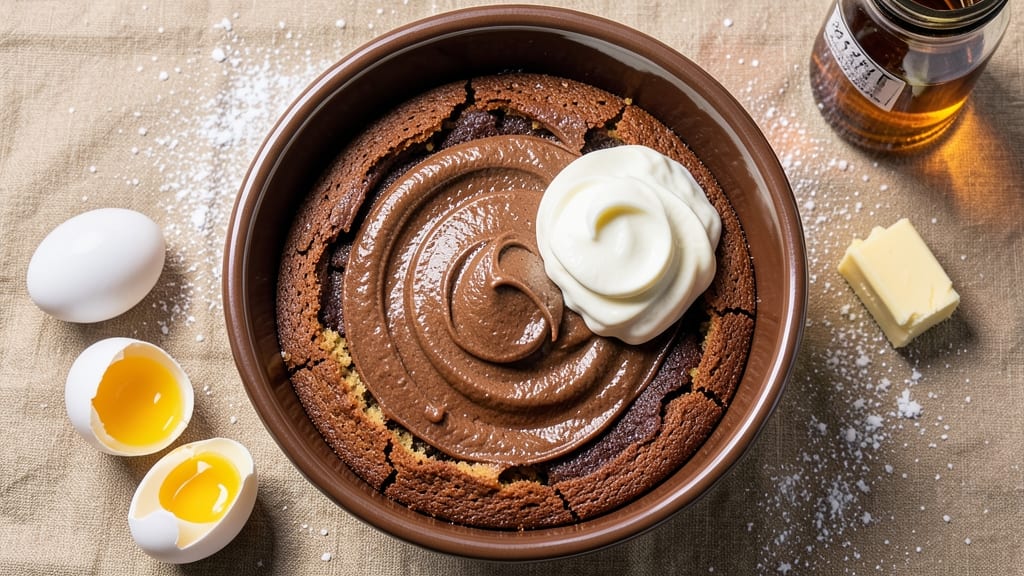
This boxed chocolate cake recipe delivers restaurant-quality results with minimal effort—moist, rich layers and velvety frosting that taste homemade. The secret lies in simple upgrades: sour cream for tenderness, extra eggs for structure, and a fudgy frosting that melts in your mouth.
I’ve perfected this over years of baking, ensuring every slice stays moist for days and impresses even skeptics.
What sets this apart is the technique: mixing dry ingredients separately prevents lumps, while baking at 350°F ensures even layers. The frosting, made with just powdered sugar and butter, requires no special skills—just patience for a smooth finish.
No fancy tools needed, just a standard boxed mix and basic kitchen essentials.
By the time you’re done, you’ll have a cake with moist layers that crumb slightly at the edges and a frosting so rich it feels like a decadent dessert. The aroma alone will have everyone gathering in the kitchen, and the first bite delivers on that promise of homemade perfection.
Perfect for birthdays, holidays, or when you crave chocolate without the fuss. The best part? Leftovers taste even better the next day. Let’s make this cake—it’s easier than you think.
Ingredients for best boxed chocolate cake
Here’s everything you’ll need to transform a boxed mix into a showstopping chocolate masterpiece.
| Ingredient | Amount | Notes |
|---|---|---|
| Boxed Chocolate Cake Mix 🍫 | 1 box | Any brand, 15.25 oz size |
| Sour Cream 🥛 | ½ cup | Full-fat for best texture |
| Large Eggs 🥚 | 2 whole | Room temperature preferred |
| Unsalted Butter 🧈 | ½ cup | Softened to room temperature |
| Powdered Sugar 🍚 | 2 cups | Sifted for smooth frosting |
| Vanilla Extract 🌿 | 1 tbsp | Pure, not imitation |
| All-Purpose Flour 🌾 | ½ cup | For extra moisture |
| Vegetable Oil 🫒 | ¼ cup | For cake layers |
| Milk 🥛 | ½ cup | Whole milk preferred |
| Baking Soda 🧂 | ½ tsp | Boosts lift and moisture |
| Salt 🧂 | ¼ tsp | Fine sea salt |
| Hot Water 💧 | ½ cup | For frosting consistency |
The boxed mix is your foundation—any brand works, but Betty Crocker or Duncan Hines are reliable choices. Sour cream is non-negotiable here; it keeps the cake moist for days. Grab the full-fat version—Walmart’s Great Value or Kroger’s are budget-friendly options. For the eggs, room temperature makes all the difference, so take them out 30 minutes before baking. Butter should be soft but not melted; I always use Land O’Lakes or Plugrá for consistent results. The powdered sugar? Domino is my go-to—it’s finely sifted and dissolves beautifully in the frosting.
No sour cream? Greek yogurt at half the amount works in a pinch, though the texture won’t be quite as tender. Short on butter? Vegetable oil in the frosting keeps it rich, but the cake layers will be slightly less flavorful. Vanilla extract matters—Nielsen-Massey or McCormick are worth the splurge for that authentic aroma. The hot water trick for the frosting is a game-changer; it creates a velvety consistency without making it runny. Baking soda and salt are simple but essential—Arm & Hammer baking soda and Morton salt ensure you’re starting with the best quality.
This cake keeps beautifully—3 days at room temperature if stored in an airtight container, or up to 5 days in the fridge. The frosting? 2 days max in the fridge, but trust me, it’ll disappear faster. For make-ahead magic, bake the cake 1 day ahead and frost it the next morning—flavors meld even better. Freeze the unfrosted cake layers for up to 3 months if you’re planning ahead; just thaw at room temperature before frosting.
Why You'll Love This Recipe
- I’ll be real: most boxed cakes dry out in two days. Not this one. The sour cream keeps it tender, and if you store it right (wrapped tight, not in the fridge), it’s still solid for days. Perfect for when you bake once and eat twice—or when you just can’t resist making a second batch.
- Four-Ingredient Magic: This is the kind of recipe where you open the pantry and boom—you’ve got everything. No hunting for obscure spices or last-minute store runs. Just mix, bake, and watch that sour cream do its thing—moistening the cake without tasting like tangy afterthoughts.
- Rich Without Effort: Honestly, the buttercream here is ridiculously good. Cream the butter and powdered sugar until it’s light and fluffy, then fold in that cake mix? It’s like the boxed version of a bakery’s secret. The eggs and sour cream take it from “okay” to “I’d pay double for this at a café.”
- Birthday or Breakfast: Between us, this cake is my go-to for anything. Crumble it into ice cream for a lazy Sunday. Serve it warm with whipped cream for a last-minute party. Even my picky teenager asks for seconds when it’s cut into squares—no frosting needed.
Step-by-step instructions for boxed chocolate cake with fudgy frosting
Transform your boxed mix into a restaurant-quality dessert with these pro techniques.
Prep Ingredients for Maximum Moisture
Start by preheating your oven to 350°F—this ensures even baking from the moment the cake goes in. While it heats, separate the dry ingredients from the boxed chocolate cake mix into a medium bowl. In another bowl, whisk together the 0.5 cup sour cream, 2 whole large eggs, 0.5 cup milk, 0.25 cup vegetable oil, and 0.5 tsp baking soda. The baking soda boosts lift and moisture, making this cake far superior to the box instructions.
In a third bowl, sift the 0.5 cup all-purpose flour and 0.25 tsp salt together. Room-temperature ingredients mix better, so if your eggs or butter feel chilly, let them sit at room temperature for 10 minutes before mixing. This small step prevents dense layers and ensures a tender crumb. I always use whole milk and full-fat sour cream—they make a noticeable difference in texture.
Combine Wet and Dry Ingredients for Perfect Texture
Pour the wet ingredients into the dry ingredients from the boxed mix and gently fold together with a spatula until just combined. Overmixing develops gluten, which can make the cake tough. Stop mixing as soon as you see no more flour streaks—this ensures a light, fluffy texture. The batter will be thick but pourable, similar to brownie batter.
Divide the batter evenly between two 8-inch round cake pans that have been lightly greased with butter and lined with parchment circles. Tap the pans gently on the counter to release any air bubbles, which helps prevent domed tops. Bake for 28-32 minutes until a toothpick inserted in the center comes out clean. The edges should be set but the center should still look slightly underbaked—it firms up as it cools.
Create the Ultimate Fudgy Frosting
While the cakes cool, make the frosting by melting the 0.5 cup unsalted butter in a saucepan over low heat. Once melted, remove from heat and whisk in the 2 cups powdered sugar, 1 tbsp vanilla extract, and 0.5 cup hot water. The hot water helps dissolve the powdered sugar completely for a smooth, creamy texture. If the frosting looks too thick, add 1-2 teaspoons milk to reach a spreadable consistency.
Let the frosting cool slightly—it will thicken as it cools. This is where the magic happens: the butter creates a rich, fudgy base while the powdered sugar keeps it light. For extra decadence, fold in 1-2 tablespoons cocoa powder (if you have it) to deepen the chocolate flavor. The frosting should be thick enough to hold peaks when spread but still pipeable for decorating.
Assemble and Chill for Perfect Slices
Once the cakes have cooled completely (about 30 minutes), level the tops if needed. Spread a thin layer of frosting between the layers to act as a glue, then add the remaining frosting on top and bottom. Use an offset spatula to create smooth sides and a slightly domed top. For a professional finish, dip the spatula in warm water and wipe off any excess frosting from the sides.
Chill the cake in the refrigerator for at least 1 hour before slicing. This resting period allows the frosting to set properly and makes for cleaner cuts. Serve at room temperature for the best texture—the contrast between the moist cake layers and the fudgy frosting is what makes this recipe truly special. Each slice should reveal a tender crumb with a glossy, rich frosting that melts in your mouth.
Pro Tips For Making Best Boxed Chocolate Cake
- MIX SOUR CREAM LAST: The boxed mix is thirsty—adding sour cream too early makes the batter dry out before it even hits the oven. Stir it in right before folding in the melted butter, and you’ll get a denser, moister cake that doesn’t crack. (Yes, even if you’re eager to mix everything at once.)
- ROOM-TEMP EGGS ONLY: Cold eggs? They’ll sink to the bottom and leave you with a lumpy batter. Crack those eggs into a warm bowl first, whisk them smooth, and let them sit for 10 minutes. Your cake will bake evenly, and no one will notice you used boxed mix.
- DON’T OVERBAKE THE EDGES: The box says "30–35 minutes," but your oven runs hot. Pull the cake when the edges are set but the center still jiggles slightly—it’ll firm up as it cools. Overbaking turns that rich chocolate flavor into dry, sad crumbs. (I learned this after throwing out two cakes.)
- BUTTER COOLS FASTER: Melt the butter, then let it sit for 5 minutes before mixing it in. It’ll still be warm enough to blend smoothly but cool enough to prevent the batter from getting too thin. Your cake won’t sink in the middle, and you’ll save yourself a greasy cleanup. (Trust me, it’s worth the wait.)
Troubleshooting perfect results
Cake Stuck in Pan
If your cake clings stubbornly to the pan, don’t force it—this ruins the layers. First, run a thin offset spatula or long knife around the edges to loosen it. For stubborn spots, gently tap the pan against the counter while sliding the spatula underneath.
If all else fails, place the pan in the freezer for 10 minutes to firm up the cake, then try again. I’ve never had to use this trick with parchment-lined pans, but it’s saved me countless times with greased pans.
Dry or Crumbly Cake
Dry cake usually means overbaking or missing moisture. Check your oven temperature with an infrared thermometer—many home ovens run 25°F hotter than set. If the cake is done at 28 minutes, take it out immediately.
For extra moisture, replace ¼ cup of the milk with sour cream or Greek yogurt next time. I also recommend brushing warm layers with simple syrup (equal parts sugar and water, heated until dissolved) while cooling.
Frosting Too Thin
A runny frosting happens when the butter melts too much or you add too much liquid. Let the melted butter cool slightly before mixing, and use hot water (not boiling) to dissolve the powdered sugar.
If it’s still too thin, whisk in 1 tablespoon powdered sugar at a time until it thickens. For a fudgy texture, chill the frosting for 20 minutes before spreading—it’ll firm up beautifully. I’ve found Land O’Lakes butter gives the best consistency when melted slowly.
Cracked or Sunken Top
Cracks or a sunken center often mean the cake baked too long or cooled too quickly. Pull the cake out when a toothpick comes out with moist crumbs (not wet batter). Cool the cake in the pan for 10 minutes, then transfer to a wire rack.If the center sinks slightly, it’s normal—just frost it anyway. For extra support, add 1 extra egg white to the batter next time. I’ve also had success with baking soda (not baking powder) for lift.
Frosting Won’t Spread
If your frosting is too thick, don’t panic—it’s fixable! Warm it gently in 10-second bursts in the microwave, stirring between each, until it softens. For a smoother finish, dip your offset spatula in warm water and wipe off excess frosting before spreading.
If it’s still too stiff, add 1 teaspoon milk at a time. Pro tip: Let the frosting sit at room temperature for 30 minutes before using—it’ll be much easier to work with. 🌟
Uneven Layers
Uneven layers usually mean uneven batter distribution. Use a kitchen scale to measure batter precisely—16 ounces per 8-inch pan is ideal. Tap the pans gently on the counter to release air bubbles before baking.
If one layer is thicker, adjust by adding a little extra batter to the thinner pan. For a perfectly level cake, use a serrated knife to trim the tops after cooling. I swear by this method for restaurant-quality results at home.
Nutrition facts
Frequently asked questions
Can I make this recipe with a different boxed mix?
Any boxed chocolate cake mix will work, but stick to the same 15.25 oz size for best results. The key upgrades—sour cream, extra eggs, and baking soda—are what transform the texture, not the brand. Just follow the same mixing ratios and baking times. For extra richness, add 1 tablespoon cocoa powder to the dry ingredients.
How do I fix a cracked cake top?
Cracks happen when cakes cool too quickly or bake unevenly. To prevent them, pull the cake from the oven when a toothpick comes out with moist crumbs (not wet batter). Let it cool in the pan for 10 minutes before transferring to a wire rack. For minor cracks, simply frost as-is—they’ll disappear under the frosting! If cracks are deep, trim the tops with a serrated knife for a clean finish.
Can I use this frosting for cupcakes?
Yes! This frosting works perfectly for cupcakes too. Make a smaller batch with 1 cup powdered sugar, ¼ cup melted butter, 1 tablespoon vanilla, and 2 tablespoons hot water. Pipe it directly onto cooled cupcakes or spread with a spatula. The fudgy texture pairs beautifully with mini layers. For extra flair, add chocolate shavings or sprinkles on top.
Why does my cake taste dry?
Dry cake usually means overbaking or missing moisture. Check your oven temperature—many run 25°F hotter than set. For next time, replace ¼ cup milk with sour cream or Greek yogurt, and brush warm layers with simple syrup (equal parts sugar and water, heated until dissolved) while cooling. Also, avoid overmixing the batter to keep it tender.
How do I store leftovers?
Store the cake in an airtight container at room temperature for up to 3 days, or refrigerate for 5 days. The frosting keeps best in the fridge for 2 days—just bring it to room temperature before serving. For longer storage, freeze unfrosted layers for up to 3 months. Thaw at room temperature before frosting. Leftovers actually taste better the next day!