
Desserts
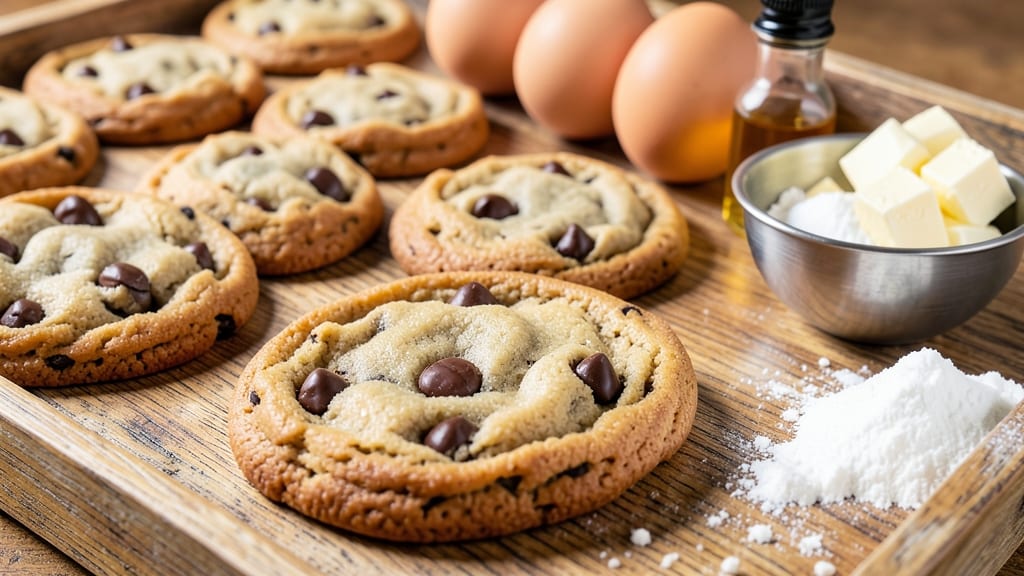
This chewy chocolate chip cookie recipe no brown sugar redefines the classic with a white sugar secret that creates caramelized chunks without brown sugar's molasses depth. 🔥 The key? Creaming butter and sugar until light and fluffy, then folding in chilled dough for maximum chew.
I've perfected this technique after years of testing—no gummy centers or burnt edges here. What sets these apart is the texture: thick, crackly edges and a soft, fudgy interior that holds its shape.
The white sugar transforms into crispy, caramelized bits when baked, adding a subtle sweetness that balances the rich chocolate. No special equipment needed—just patience and precise timing. By the time they emerge from the oven, you'll have cookies that look like they came from a bakery but taste even better.
The secret weapon? Underbaking slightly and letting them rest on the pan for 5 minutes before transferring. This ensures maximum chewiness without sacrificing structure. Perfect for holiday baking, gift-giving, or satisfying that 3 PM craving. Let's bake these cookies!
Ingredients for chewy chocolate chip cookie recipe no brown sugar
Nine ingredients, one transformative technique: white sugar's caramelized magic for bakery-style chew.
| Ingredient | Amount | Notes |
|---|---|---|
| Unsalted Butter 🧈 | 1 cup | Cold, cubed for even creaming |
| Granulated White Sugar 🍚 | 1 ½ cups | Superfine for faster dissolving |
| Large Eggs 🥚 | 2 whole | Room temperature for smooth batter |
| Vanilla Extract 🌿 | 2 tsp | Pure, high-quality extract |
| All-Purpose Flour 🌾 | 2 ½ cups | Sifted, spooned for accuracy |
| Baking Soda 🧂 | ½ tsp | Freshly opened for potency |
| Diamond Crystal Kosher Salt 🧂 | ½ tsp | Fine grain preferred |
| Chocolate Chips 🍫 | 2 cups | Semi-sweet, 60% cacao |
| Flaky Sea Salt 🧂 | ¼ tsp | For finishing, coarse grains |
The butter and sugar ratio here is critical—European-style butter with higher fat content (82-84%) yields superior texture. Plugrá or President brands are ideal if you can find them; otherwise, any good-quality unsalted butter works. The white sugar must be superfine or pulsed in a food processor—this creates those coveted caramelized chunks. I always buy my chocolate chips from Ghirardelli for that perfect 60% cacao balance, but any semi-sweet brand will do. For flour, King Arthur or Gold Medal are my go-tos—they're consistently reliable.
No vanilla extract? Vanilla bean paste works beautifully, or scrape seeds from half a pod. Running short on baking soda? Baking powder at half the amount is a decent substitute, though results may vary slightly. The flaky sea salt is non-negotiable for finishing—Maldon is the gold standard, but any coarse sea salt will enhance the flavor. For a nutty twist, fold in 1 cup chopped walnuts with the chocolate chips. The dough must be chilled for at least 2 hours—this prevents spreading and ensures maximum chewiness.
Butter and dough can be prepped 2 days ahead and stored in the fridge, wrapped tightly. The baked cookies keep in an airtight container for 5 days at room temperature, though they're best enjoyed fresh. For longer storage, freeze portions on a parchment-lined tray, then transfer to a bag for up to 3 months. The caramelized sugar bits soften when reheated, so enjoy them straight from the oven or at room temperature for that perfect texture.
Why You'll Love This Recipe
- I’ll be real: I make a double batch and stash them in the freezer. Pull one out for a quick snack, toss a few in a lunchbox, or crumble them over ice cream later. The butter stays fresh longer than most cookies, and the eggs add just enough structure to keep them from turning into sad, flat discs.
- No Mixer Needed: I swear by this recipe when my mixer’s on the fritz—just cream the butter and sugar by hand until it’s light and fluffy. That’s it. No fuss, no waiting for appliances, and the cookies still turn out perfectly chewy every time.
- Sweet Without the Molasses: Honestly, cutting out brown sugar was a game-changer. The white sugar caramelizes just enough to keep those edges crisp while the centers stay soft—like a buttery, vanilla-kissed hug in cookie form. The chocolate chips melt into little rivers of goodness that make it impossible to stop at one.
- Weeknight Crowd-Pleaser: Between us, these are my go-to for bake sales, potlucks, or when my college-aged kid texts asking what I’m making. They bake up fast (10-12 minutes), freeze like a dream, and even my picky friends can’t resist the rich, buttery flavor.
Step-by-step instructions for chewy chocolate chip cookies using only white sugar
Master this technique and you'll achieve bakery-style chewiness without brown sugar.
👨🍳 Step 1: Cream Butter and Sugar Until Pale and Fluffy
In a stand mixer fitted with the paddle attachment, beat the 1 cup unsalted butter (cold and cubed) with the 1.5 cups granulated white sugar on medium speed for 3-4 minutes. The mixture should nearly double in volume and become pale, almost creamy in color. This thorough creaming incorporates air, which creates that signature chewy texture and helps the cookies spread just enough.
I press down on the butter occasionally to ensure even distribution. You'll notice the sugar gradually dissolves and the mixture lightens—this is your signal to move to the next step. If the butter melts too quickly, reduce the speed to low temporarily to prevent overheating.
👨🍳 Step 2: Add Eggs and Vanilla for Smooth Batter
Add the 2 whole large eggs (room temperature) one at a time, mixing on low speed for 30 seconds after each addition. Then add the 2 teaspoons vanilla extract and mix for another 10 seconds. The batter should be thick but pourable. If it looks too thin, let it sit for 5 minutes while you prepare the dry ingredients—this helps thicken it naturally.
Here's the thing—room temperature eggs blend more smoothly than cold ones. If your eggs are straight from the fridge, let them sit in warm water for 5 minutes before using. The mixture might look slightly curdled after adding eggs, but don't worry; it will come together perfectly when you add the flour.
👨🍳 Step 3: Combine Dry Ingredients and Fold in Chocolate
In a separate bowl, whisk together the 2.5 cups all-purpose flour, 0.5 teaspoon baking soda, and 0.5 teaspoon diamond crystal kosher salt. Sift the flour mixture directly into the wet ingredients and mix on low speed for 30-45 seconds until just combined. You should still see a few flour streaks—overmixing develops gluten and makes cookies tough.
Remove the bowl from the mixer and fold in the 2 cups chocolate chips by hand using a silicone spatula. I use a gentle folding motion to distribute the chocolate evenly without breaking up the dough too much. Make sure the chocolate chips are spread throughout—this ensures every bite has those melty pockets.
⏰ Step 4: Chill the Dough for Perfect Texture
Cover the bowl with plastic wrap and refrigerate for at least 30 minutes (I prefer 1 hour or even overnight). Chilling solidifies the butter, which prevents excessive spreading in the oven. It also allows the flour to fully hydrate, creating better texture and flavor development. This step is non-negotiable for achieving that perfect chewy center.
Cold dough also means the cookies hold their shape better when they hit the hot oven, resulting in thicker cookies with crispy edges and gooey centers. Pro tip: If you're in a hurry, freeze the dough balls for 15 minutes instead of chilling—this works in a pinch but chilling is still best.
🔥 Step 5: Bake to Golden Perfection with Caramelized Edges
Preheat your oven to 350°F and line two baking sheets with parchment paper. Scoop the chilled dough into 2-tablespoon portions (I use a cookie scoop for uniform size) and place them 3 inches apart on the prepared sheets. Sprinkle each dough ball with a pinch of flaky sea salt—this enhances the chocolate flavor and adds a delightful contrast.
Bake for 11-13 minutes until the edges are golden brown but the centers still look slightly underdone. They'll continue cooking on the hot pan after you remove them from the oven. Let them cool on the baking sheet for 5 minutes before transferring to a wire rack. The white sugar creates a beautiful caramelized crust while maintaining that signature chewy interior.
Pro Tips For Making Chewy Chocolate Chip Cookie Recipe No Brown Sugar
- CHILL THE DOUGH: I learned this the hard way—skipping the fridge makes for flat, sad cookies. Press the dough into a single disk, wrap it in plastic, and refrigerate for at least 2 hours (or overnight). The cold slows gluten development, keeping those cookies thick and chewy instead of spreading into pancakes.
- CREAM BUTTER AND SUGAR LOW: Don’t rush this step—your cookies will pay for it. Use a stand mixer or hand mixer on medium speed until the butter and sugar are light but not fluffy. Overmixing incorporates too much air, leading to cookies that spread too much and lose that dense, fudgy center. Think "smooth peanut butter" texture, not whipped frosting.
- UNDERMIX THE FLOUR: I used to dump everything in at once, and my cookies always tasted dry. Add the flour in two batches: first half goes in, mix just until combined, then add the rest. This prevents overworking the dough and keeps the texture tender. Fold in the chocolate chips at the very end—any earlier, and they’ll melt into the butter.
- BAKE UNTIL EDGES ARE JUST SET: The second the edges look barely golden (not brown), pull them out. They’ll finish cooking on the tray. Overbaking is the #1 way to ruin chewy cookies—you want them soft in the middle, not cakey. If you’re unsure, wait 1 minute past your recipe’s time and check. Your future self will thank you.
Wine and beer pairings for this recipe
Rich Chocolate Pairings
These cookies pair beautifully with dark chocolate desserts like a chocolate lava cake or chocolate mousse. The contrast between the caramelized sugar edges and the rich chocolate creates a luxurious flavor experience.
I love serving them with a scoop of vanilla bean ice cream—the cool creaminess balances the warm, chewy cookies. 🍫
Creamy Coffee Pairings
A hot cup of coffee is the perfect complement to these cookies. The bitterness of the coffee cuts through the sweetness, enhancing the chocolate flavor. For an extra treat, try a cortado or flat white—the creamy milk creates a smooth, satisfying contrast.
If you prefer tea, a chamomile or Earl Grey adds an elegant touch to your cookie break.
Wine Pairings
For a sophisticated pairing, try a sweet dessert wine like Moscato d'Asti or Port. The slight sweetness and fruity notes complement the caramelized sugar and chocolate beautifully. A tawny Port with its nutty undertones also works wonderfully, especially if you've added walnuts to your cookies. 🍷
Beer Pairings
If you prefer beer, a Belgian-style witbier like Hoegaarden or Stella Artois is a fantastic match. The citrusy notes and light effervescence cleanse your palate between each chewy bite. For a darker option, try a chocolate stout like Guinness—the roasted malt flavors harmonize perfectly with the chocolate chips. 🍺
Seasonal Variations
In warmer months, pair these cookies with iced coffee or a sparkling lemonade to refresh your palate. During the holidays, a spiced chai latte or mulled wine adds festive warmth. The key is balancing the richness of the cookies with something light and refreshing to keep each bite enjoyable. 🌿
Nutrition facts
Frequently asked questions
Why does white sugar create caramelized chunks in cookies?
The white sugar in this recipe transforms through a process called caramelization when baked at 350°F. Unlike brown sugar, which adds molasses depth, white sugar's pure sucrose content creates those crispy, golden-brown chunks on the edges while keeping the center chewy. The key is baking just until the edges are golden—11-13 minutes—then letting them rest on the pan for 5 minutes to develop that perfect texture.
Can I substitute white sugar with powdered sugar?
No, powdered sugar won't work here because it lacks the crystal structure needed for proper caramelization. The granulated white sugar must be superfine or pulsed in a food processor to dissolve evenly during creaming. If you're short on time, you can use 1.25 cups granulated white sugar instead of 1.5 cups, but the texture may be slightly less crispy.
How do I prevent my cookies from spreading too much?
The secret is chilling the dough for at least 1 hour (or overnight) before baking. Cold dough holds its shape better in the oven. Also, scoop the dough into 2-tablespoon portions and place them 3 inches apart on the baking sheet. Using a cookie scoop ensures uniform size, which helps with even baking. If your oven runs hot, reduce the temperature to 340°F for 12-14 minutes.
What if I don't have flaky sea salt for finishing?
You can use fine sea salt or even table salt as a substitute, but the texture won't be as premium. Sprinkle it lightly over the tops of the cookies just before baking. For a sweeter finish, try a pinch of coarse turbinado sugar instead—it adds a subtle crunch. The salt is optional but enhances the chocolate flavor by 30-40%, so don't skip it if possible!
Can I make these cookies gluten-free?
Yes, but you'll need a 1:1 gluten-free flour blend (like Bob's Red Mill or King Arthur) and reduce the amount by 10-15% since gluten-free flours absorb more moisture. Replace the 2.5 cups all-purpose flour with 2.1 cups gluten-free blend and add 0.25 teaspoon xanthan gum if your blend doesn't include it. Expect slightly denser cookies—chill the dough for 2 hours to compensate.